
How to Read a Warehouse or Manufacturing Job Posting: What the Requirements Really Mean
If you have ever looked at a warehouse or manufacturing job posting and talked yourself out of applying, you are not alone.
Warehouse and manufacturing job postings are often written for legal protection and consistency, not necessarily for clarity. The result is a list of requirements that can feel more intimidating than the job actually is.
The good news is that many warehouse and manufacturing job descriptions follow a pretty predictable pattern once you know what to look for. This guide breaks down the most common requirements you will see and what employers actually mean when they write them.
Direct Answer
Most warehouse and manufacturing job postings list a mix of required qualifications and preferred qualifications. Required means the employer genuinely needs it before you start. Preferred means it would be helpful but is not a dealbreaker. Many candidates who do not meet every listed requirement still get hired. In many warehouse and manufacturing roles, employers place a high value on reliability, attitude, and a willingness to learn alongside the qualifications listed in the posting.
Must Be Able to Lift 50 Pounds
This is one of the most common physical requirements you’ll see in warehouse and manufacturing job postings.
In many cases, employers include this requirement because the role involves lifting, moving materials, or other physical tasks. How often you’ll actually lift 50 pounds can vary depending on the position and the employer.
If this requirement gives you pause, don’t assume the job isn’t a fit. Ask questions about what a typical shift looks like and how often lifting is required. A recruiter or hiring manager can help explain the day-to-day expectations.
High School Diploma or GED Required
Some warehouse and manufacturing employers list a high school diploma or GED as a requirement, while others may be more flexible depending on the role.
When you see this requirement, it’s often less about the diploma itself and more about ensuring candidates can follow written instructions, complete documentation, and communicate effectively on the job.
If you don’t have a diploma or GED, it may still be worth asking whether there is flexibility based on your experience or the specific position. Every employer has different hiring standards, and a recruiter can help you understand what’s truly required before you rule yourself out.
Previous Warehouse Experience Preferred
When a job posting lists something as preferred, it means the employer would be happy to find a candidate who has it, but they are not going to pass on a strong candidate who does not.
In warehouse and manufacturing environments, this is especially true. Employers hire candidates without prior experience regularly.
Employers can teach warehouse procedures. Reliability, attendance, and a willingness to learn are much harder to teach.
We have seen plenty of candidates skip jobs they were qualified for simply because they assumed they needed every item on the requirements list. In reality, employers are often looking for someone who can learn, show up consistently, and become part of the team.
If a posting says experience is preferred, apply anyway.
Must Be Able to Stand for Extended Periods
This line is about setting expectations, not disqualifying people.
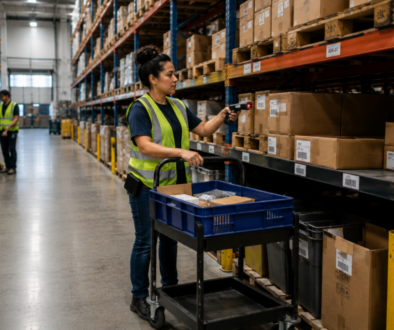
Warehouse and manufacturing work is active. Most roles do not involve sitting at a desk, and the employer wants candidates who understand that before they accept an offer. Standing for a full shift, walking the floor, and staying on your feet for several hours at a stretch is a normal part of the job.
What this requirement is really asking is whether you are physically prepared for the pace and demands of the environment. If you are comfortable being on your feet and staying active throughout a shift, this is not a barrier.
Ability to Work in a Fast-Paced Environment
This phrase shows up in nearly every warehouse and manufacturing job posting, and it can feel like filler. It is actually one of the more meaningful things on the list.
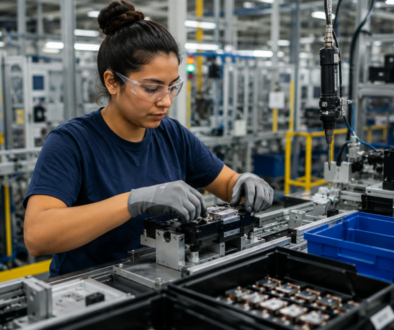
Warehouse and manufacturing floors operate on schedules. Production targets, order deadlines, and shipping windows mean the pace does not slow down much during a shift. Employers use this language to signal that the work requires focus, consistency, and the ability to stay productive under pressure.
Fast-paced means the work keeps moving, not that everything is disorganized.
If you tend to work well when you have a clear task in front of you and a reason to stay focused, a fast-paced environment usually suits that kind of worker well.
Background Check and Drug Screen Required
Background checks and drug screens are common requirements for warehouse and manufacturing roles in Virginia, particularly for positions involving equipment, inventory, or other safety-sensitive work.
It is not a signal that the employer expects to find something. It is a routine part of the hiring process for roles that involve operating equipment, handling inventory, and working alongside a team in a safety-sensitive environment.
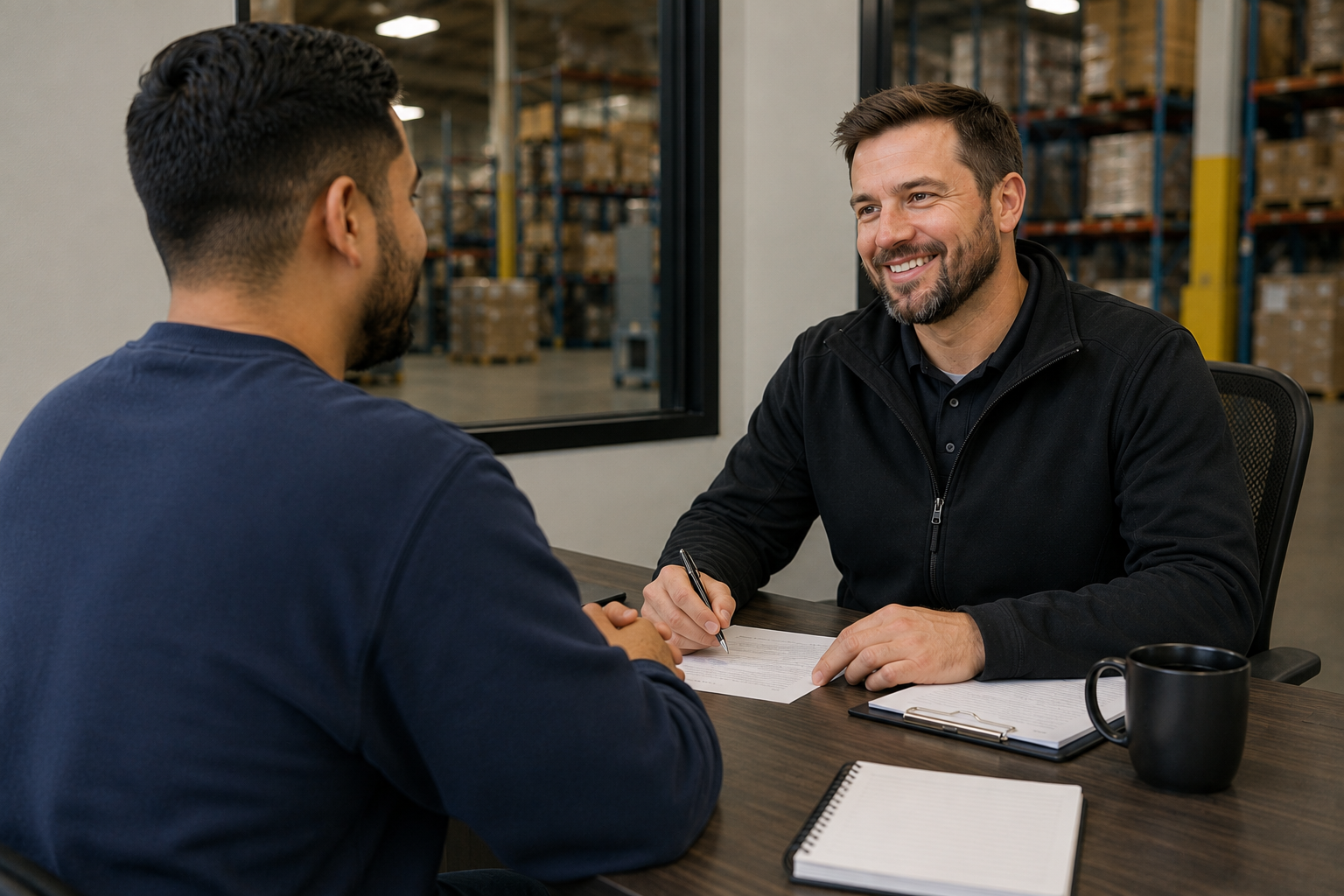
Being upfront about your history during the application process is always a better approach than hoping it does not come up. Some employers are willing to have a conversation about older or minor offenses, depending on the role and company policies.
Forklift Certification Preferred
If you do not have a forklift certification, this is not a reason to skip the application.
Preferred means exactly that. Many employers will train the right candidate on forklift operation once they are on the floor. Many experienced forklift operators learned after they were hired.
What an employer cannot provide is reliability, attention to detail, and a strong work ethic. If you are interested in eventually operating a forklift, mention that during your interview. It signals initiative and gives the employer something to work with as you develop in the role.
How We Help Job Seekers
Reading a job posting tells you part of the story.
Talking to someone who knows the employer can fill in the rest.
Because we work directly with warehouse and manufacturing employers across Virginia, we can often answer questions that never make it into the job posting. Things like the pace of the work, the team environment, scheduling expectations, and what the employer values most in a candidate.
That context helps job seekers apply with more confidence and prepare for interviews with a clearer picture of what to expect.
Looking for Your Next Opportunity?
A job posting is only the starting point.
Finding the right fit means understanding the work, the employer, and where you will have the best chance to succeed.
Whether you are applying for your first position or looking for your next opportunity, taking time to understand what the job posting is really telling you can make the process much less intimidating.
The Candidate Source connects job seekers with warehouse and manufacturing employers across Virginia and helps take some of the guesswork out of the search.