

Temp-to-Hire vs. Contract Staffing: Which Model Is Right for Your Virginia Operation?
When Virginia warehouse and manufacturing employers reach out to a staffing agency, one of the first conversations is about which staffing model makes the most sense for their operation.
Temp-to-hire and contract staffing are two of the most common options. They sound similar, and the terms are often used interchangeably, but they serve different purposes and tend to produce different outcomes depending on the situation.
Choosing the right model affects more than today’s opening. It influences retention, workforce stability, and your ability to adapt as staffing needs change.
This guide explains how each model works and how to determine which is the better fit for your operation.
Direct Answer
Temp-to-hire gives employers and workers a structured trial period before either side commits to permanent employment. Contract staffing fills a role for a defined period without an expectation of conversion. For most Virginia warehouse and manufacturing operations, temp-to-hire is a strong fit for core production roles, while contract staffing is often the better choice for seasonal demand, project work, or short-term coverage.
How Temp-to-Hire Works
Temp-to-hire, sometimes called contract-to-hire, places a worker on the staffing agency’s payroll during a trial period, typically between 90 and 180 days.
During that time, employers get to see what no interview can fully predict.
- Attendance
- Work ethic
- Team fit
- The ability to keep pace on the floor
In our experience, that trial period often leads to stronger long-term hiring decisions for both employers and employees.
If the placement is successful for both sides, the employer brings the worker on as a direct hire. Throughout the trial period, the staffing agency manages payroll, benefits, workers’ compensation, and compliance.
Temp-to-hire shifts hiring from prediction to observation, giving both the employer and the employee time to determine whether the fit is right.
How Contract Staffing Works
Contract staffing places a worker in a role for a defined period without a built-in path to permanent employment.
This approach works well for temporary business needs, such as covering a leave of absence, supporting a seasonal production increase, completing a special project, or filling a role while a longer-term search is underway.
It gives employers the flexibility to scale up when demand increases and scale back once it slows. That flexibility can be especially valuable in industries where production volume changes throughout the year.
The trade-off is that contract workers are not always looking for long-term employment, so building continuity and team cohesion can be more challenging.
Where Each Model Tends to Fit
The right staffing model depends on the role, how long the need is expected to last, and the type of workforce an employer is trying to build over time.
Temp-to-hire is often a good fit when:
- The role is a core warehouse or production position
- Long-term retention is important
- A trial period would help evaluate fit
- Building an experienced workforce is a priority
Contract staffing is often the better choice when:
- The need is seasonal or project-based
- Additional coverage is needed for a defined period
- Production volume is expected to decrease
- Flexibility is more important than long-term retention for that specific role
Many Virginia employers successfully use both models at the same time. Temp-to-hire helps build a stable long-term workforce, while contract staffing provides flexibility when business demands change.
What Employers Should Actually Think About
Staffing decisions are often viewed through the lens of cost, but the better question is how each model supports your long-term workforce goals.
If the role is expected to become permanent, temp-to-hire often provides a better opportunity to evaluate long-term fit. If the need is temporary, contract staffing offers flexibility without creating expectations of permanent employment.
- Is this position expected to become a permanent part of the operation?
- Would a trial period help evaluate long-term fit?
- Does your team have the capacity to onboard and coach someone over the next several months?
- Is the goal to strengthen the long-term workforce or simply add short-term capacity?
Honest answers to those questions usually make the right staffing model much clearer.
Candidate Expectations
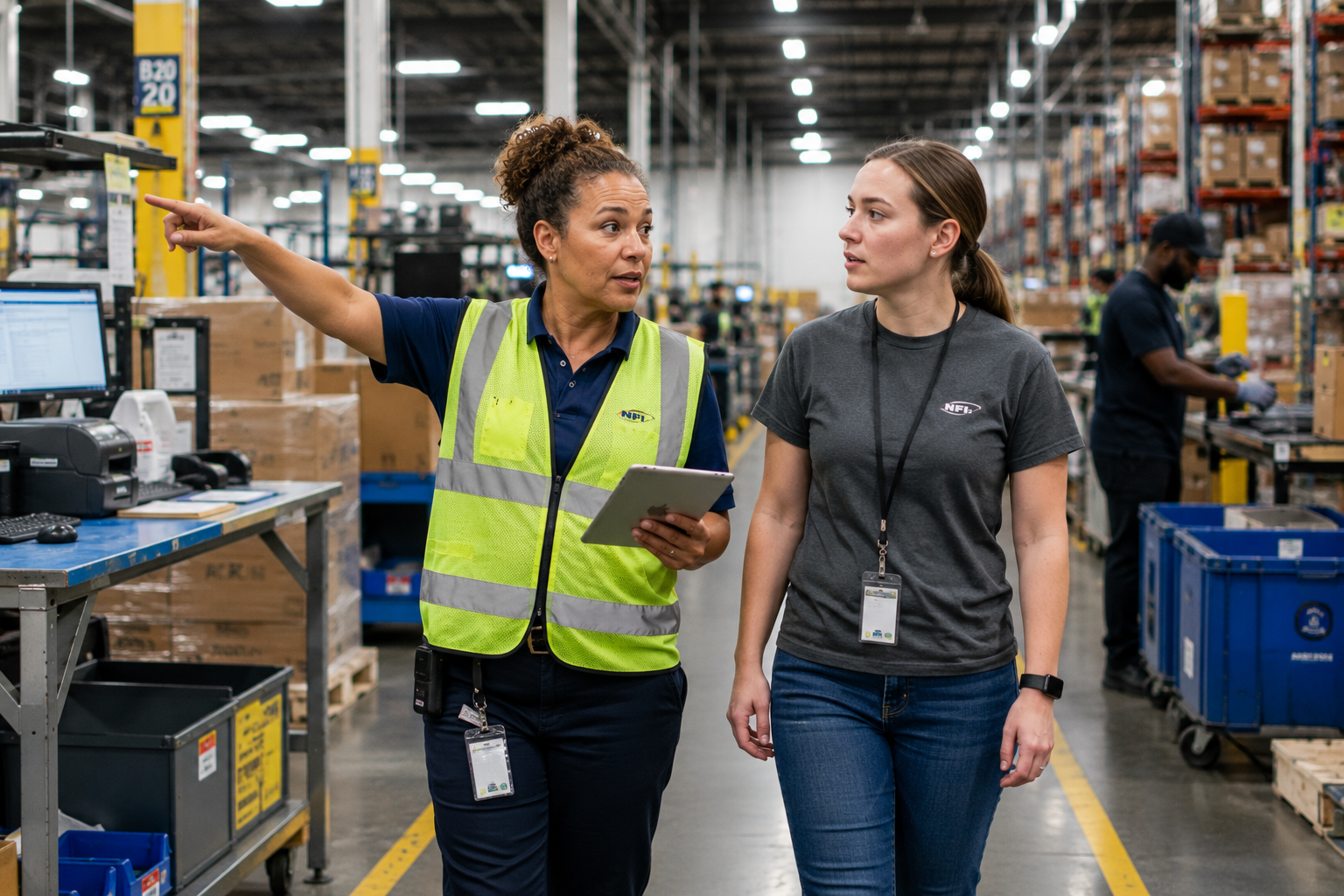
Candidate expectations matter just as much as employer expectations. It also shapes candidate interest and long-term success.
Candidates looking for stable employment are often attracted to temp-to-hire opportunities because they provide a clear path toward permanent employment. Others value the flexibility that contract assignments provide.
Across the placements we make, clear expectations from the beginning almost always lead to stronger outcomes for both sides. When candidates understand the type of opportunity they are accepting, they can make informed decisions that benefit everyone involved.
That clarity helps build trust, reduces misunderstandings, and creates a better experience for both employers and employees.
How Your Staffing Partner Affects Retention
Turnover does not start on the floor. It often starts in the hiring process.
When candidates are placed into roles that do not match their expectations, skills, or schedule needs, early turnover is almost guaranteed. That is why the quality of your staffing partner matters as much as your internal retention efforts.
A staffing agency that screens for fit rather than just availability, and takes time to understand your facility and communicate the role accurately to candidates, will produce placements that hold longer.
The sourcing process and your internal retention efforts work together. When both are aligned, the results tend to be more consistent.
How We Approach Staffing Decisions
Every operation has different hiring goals, production schedules, and workforce challenges.
Rather than recommending the same staffing model for every employer, we take the time to understand your operation, your workforce goals, and what success looks like before making a recommendation.
Whether you’re hiring for long-term growth, preparing for seasonal demand, or balancing both at the same time, we’ll help you determine the staffing approach that best supports your operation.
The right staffing model is one that aligns with your business needs today while supporting your workforce goals for the future.
Ready To Build a Workforce That Holds?
Choosing the right staffing model upfront can improve retention, reduce turnover, and make future hiring easier.
Whether you are filling a long-term production role, preparing for seasonal demand, or simply evaluating your options, taking time to choose the right approach upfront can make the rest of the hiring process much smoother.
The Candidate Source works with warehouse and manufacturing employers across Virginia to help evaluate workforce needs and determine which staffing approach best supports their operation.
Contact The Candidate Source to start the conversation.