
How to Turn a Temp Job Into a Full-Time Offer
A temporary assignment can feel like a trial run for both sides. You’re doing the work, learning a new workplace, and wondering whether the job could become permanent.
Making the move from temp to permanent is possible. An employer’s headcount, budget, and business needs all play a part.
What you can control is how you approach the assignment.
This guide explains how temporary and temp-to-hire assignments work, which everyday habits supervisors tend to notice, and how to get real value from the experience whether or not a permanent offer follows.
Direct Answer
Yes, some temporary and temp-to-hire assignments lead to permanent positions, but not all of them do. Whether an assignment converts depends on the employer’s needs, whether a permanent position is available, the terms of the staffing agreement, and how the employee performs. Reliable attendance, learning the work, clear communication, and being a good teammate can help you make a strong impression, but none of them guarantee an offer.
Can a Temp Job Become a Permanent Position?
It can, but several factors influence whether that happens.
Some employers use temporary staffing to cover a short-term need with no plan to hire anyone permanently. Others use it as a way to get to know a candidate before making a long-term decision. And an employer’s plans can change if workload or budget shifts.
That is why it helps to go in with realistic expectations. A successful assignment might lead to a permanent offer, a positive reference, new skills, or a better understanding of what kind of work suits you. Ideally, it provides at least one of those.
Know What Kind of Assignment You Have
Before your first shift, find out what type of assignment you are starting.
A temporary assignment is generally designed to fill a need for a defined period, such as covering an absence or supporting a busy season. A temp-to-hire assignment begins through a staffing agency with the possibility of moving onto the employer’s payroll later, which lets both sides evaluate the working relationship first. Conversion still depends on the employer’s needs and the staffing agreement. Direct hire is different, because the employer hires you directly from the start.
Those arrangements are not interchangeable, so it is worth asking which one you have and how long the assignment is expected to last.
We encourage candidates to ask early, because a short conversation at the beginning can help avoid mismatched expectations later, especially if permanent employment is the goal.
Before accepting an assignment, it also helps to understand the daily responsibilities, schedule, and expectations. Even positions with the same job title can involve different work depending on the employer.
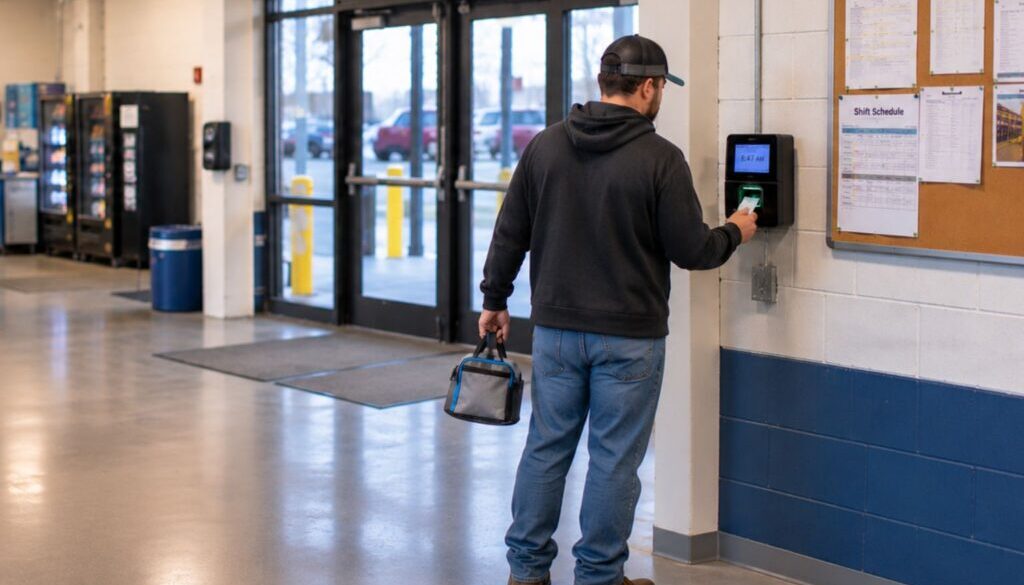
Start With Showing Up
It may sound basic, but attendance is one of the first things a supervisor can observe. When a team depends on every position being covered, a missed shift affects more than one person.
Supervisors may notice who arrives on time, who follows the assigned schedule, and who communicates when something unexpected happens. If you need to miss work or expect to be late, follow the attendance procedures and communicate as early as possible. Giving notice allows the employer or staffing agency to respond. Silence leaves people guessing.
The first week is a chance to establish good habits. Showing up consistently, following instructions, and communicating clearly can help set a positive tone. It is also a chance to learn how the operation runs and what a good shift looks like.
In our experience, the candidates who feel most settled on an assignment are often the ones who confirmed the basics before day one: the start time, where to park or check in, who to ask for, and what to bring.
Learn the Work and Ask Questions
Every facility has its own equipment, procedures, and standards. Even experienced workers need time to learn how a particular operation runs.
If an instruction is unclear, it is usually better to ask than to guess, especially where accuracy or safety matters. Some supervisors we work with say they would rather answer a question early than correct a mistake later. A few practical habits help:
- Write down instructions when appropriate
- Repeat back important steps if you are unsure
- Pay attention to how experienced coworkers complete tasks
- Follow established safety procedures
You also do not need to wait for a formal review to find out how you are doing. A simple question such as, “Is there anything I should focus on improving this week?” can give you useful direction while there is still time to adjust.
Being open to correction matters, too. Everyone makes mistakes while learning a new role, and how you respond to feedback can be just as important as the mistake itself.
Contribute to the Team
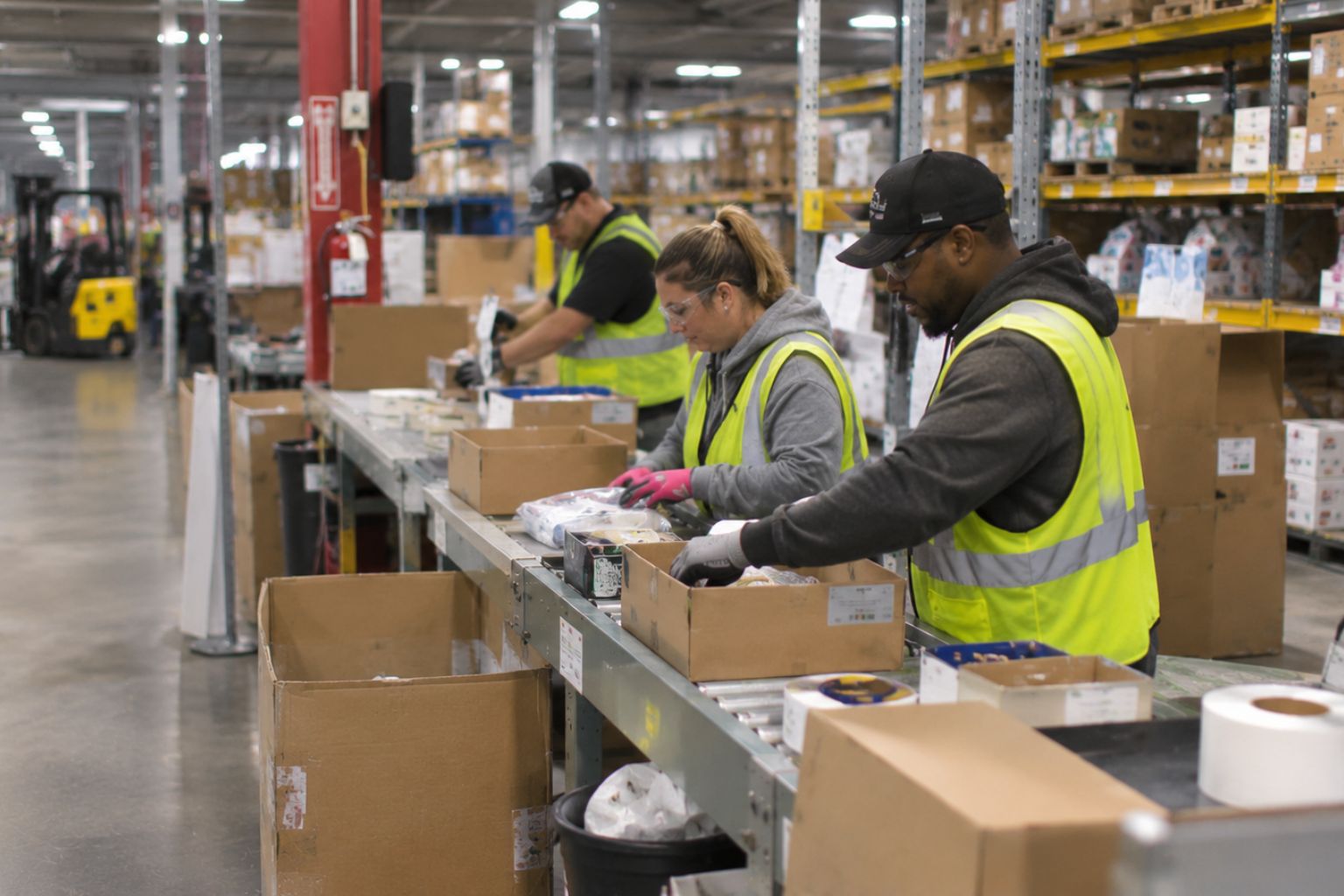
Warehouse and manufacturing work often depends on people completing different tasks as part of the same process. A shipment may require picking, packing, labeling, and loading before it is ready to leave.
Contributing to the team does not have to involve anything extraordinary. It can mean keeping your work area organized, communicating clearly with coworkers, following safety procedures, or offering appropriate help when your own responsibilities are complete. Reliability also includes understanding your role and following instructions rather than taking on unfamiliar tasks without authorization.
Doing your own job well is important. Being someone the team can depend on matters, too.
Ask What Happens Next
If you are interested in a permanent position, it is reasonable to say so. You do not need to make a formal presentation or repeatedly ask about openings. A short conversation with your supervisor or staffing contact can help you understand where things stand.
For example: “I’m enjoying the work here and would be interested in staying long term. Is there a possibility of a permanent opening, and what would you want to see from someone being considered?”
That communicates your interest while giving the employer room to explain how decisions are made. It also helps to ask whether there is a general timeline. Timing matters, and it usually helps to have some experience in the role before asking.
If there is no anticipated opening, keep doing your best work and explore other opportunities. You do not have to put your job search on hold. Until you receive an actual offer, plan around the assignment you currently have.
What If the Assignment Does Not Convert?
Not every temporary assignment ends with a permanent offer, and that does not mean the experience was wasted or that you performed poorly.
A temporary role can give you new skills, familiarity with equipment or procedures, and experience in a different environment. It can also show you which responsibilities, schedules, and workplaces you prefer. Someone who starts in warehouse picking may discover an interest in inventory control or shipping coordination. Another employee may realize a particular shift is not a good long-term fit. Both are useful when choosing what comes next.
If your assignment ends without an offer, consider asking for feedback and whether your supervisor would be comfortable serving as a reference. Let your staffing contact know if you are interested in other opportunities, and stay professional through your final shift.
For employees interested in growing within warehouse operations, our guide to warehouse career progression explores how responsibilities may change with experience.
How The Candidate Source Helps
Temporary and temp-to-hire assignments work best when expectations are clear from the beginning. At The Candidate Source, we believe candidates should understand the opportunity before accepting it, including the schedule, physical demands, daily responsibilities, and type of placement.
If permanent employment is your goal, it is worth saying so early in the conversation, so the details of the assignment can be discussed up front.
We work with job seekers across Richmond and Central Virginia. A useful starting conversation covers your previous experience, your availability, and the type of work environment you are looking for.
Ready To Find Your Next Opportunity?
A temporary assignment can be a useful step in your career, whether it leads to a permanent position or helps prepare you for your next opportunity. The important thing is to understand what you are accepting, approach the work professionally, and communicate your goals.
Browse our current warehouse and manufacturing job openings to see what positions may fit your experience and schedule.