Manufacturing Careers Without a Degree: Entry-Level Paths in Richmond
Think you need a college degree to start a career in manufacturing?
Many manufacturing jobs that don’t require a degree can offer a starting point for people exploring work in Richmond, Virginia. From production and assembly to material handling, entry-level opportunities may be available to candidates with different educational and work backgrounds.
The challenge is knowing which positions are truly entry-level, what employers expect, and how your existing experience might apply.
Manufacturing covers a wide range of responsibilities. Some positions provide on-the-job training, while others require specific experience, certifications, or technical knowledge.
Understanding those differences can help you identify opportunities worth exploring.
Direct Answer: Can You Get a Manufacturing Job Without a Degree?
Yes. Many entry-level manufacturing positions do not require a college degree. Production associates, assembly workers, and material handlers are common starting points. However, employers may still require a high school diploma or equivalent, relevant experience, or specialized training depending on the position.
Do You Need a Degree for a Manufacturing Job?
Not all manufacturing jobs have the same entry requirements.
A production associate at one facility may be able to start with little or no manufacturing experience. A machine operator at another may need previous experience working with industrial equipment. Maintenance positions may require technical training, certifications, or specialized skills.
Even when a college degree is not required, employers may look for candidates who can meet the physical demands of the job, follow established procedures, and work the assigned schedule.
The most useful place to start is the actual job description.
Rather than assuming you are not qualified because you have never worked in manufacturing, look at what the position involves and which requirements are necessary to perform the job.
Entry-Level Manufacturing Roles Worth Knowing About
Manufacturing facilities rely on more than employees working directly on production lines. They also need people to move materials, inspect products, manage inventory, and prepare finished goods for shipment.
Here are several entry-level manufacturing and manufacturing-support roles worth exploring in Richmond.
Production Associate
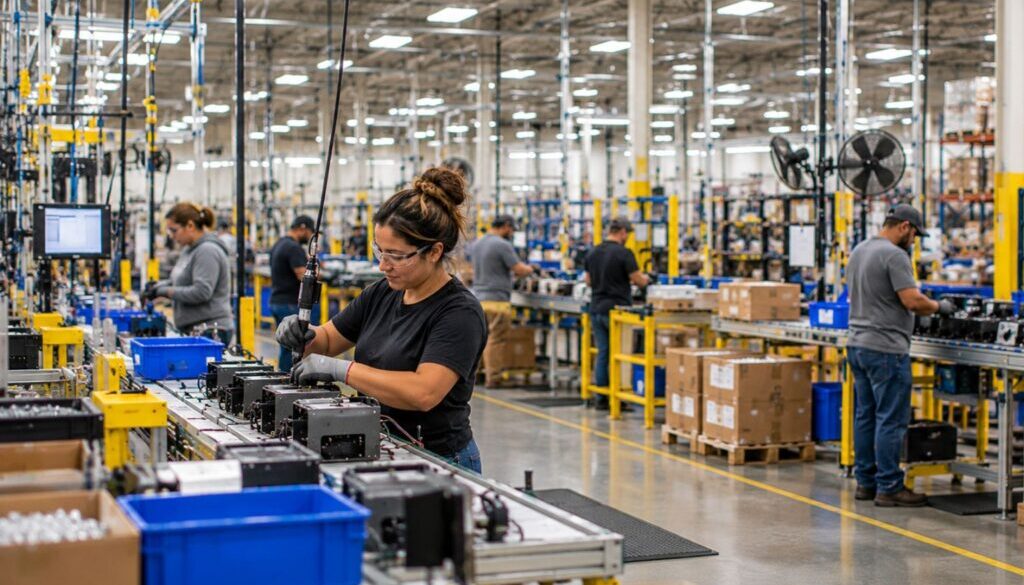
Production associates support the day-to-day manufacturing process. Depending on the facility, responsibilities may include working on a production line, assembling products, packaging finished goods, or completing basic quality checks. Some positions provide on-the-job training and may be suitable for candidates who are new to manufacturing.
Material Handler
Material handlers help move materials and products throughout a facility. They may support receiving, storage, production, or shipping operations. The work can be physically active and may involve lifting, moving inventory, or using equipment such as pallet jacks. Some positions also involve forklifts and may require previous experience or employer-provided training.
Assembly Worker
Assembly workers put together parts or components according to instructions or specifications. Some roles involve repetitive tasks, while others require working with different products or following detailed assembly procedures. Attention to detail, consistency, and the ability to follow instructions can be important. Prior assembly experience may be helpful but is not always required.
Picker Packer
Picker packers locate products, prepare orders, and package items for shipment. Although these positions are often associated with warehousing and distribution, similar responsibilities can exist within manufacturing operations. Accuracy and the ability to maintain a steady work pace are often important. Some employers provide training, while others prefer previous warehouse or fulfillment experience.
Quality Control Inspector
Quality control employees check products or materials to determine whether they meet established specifications. Some entry-level positions involve visual inspections or basic quality checks. Others require experience with measurement tools, technical documentation, or specialized inspection procedures. Because requirements vary considerably, it is especially important to review the qualifications for these positions.
Shipping and Receiving
Shipping and receiving employees help manage materials and products entering or leaving a facility. Responsibilities may include checking deliveries, verifying quantities, preparing shipments, and maintaining inventory records. These positions can provide experience with the movement of materials that supports manufacturing operations.
These job titles are useful starting points, but the actual responsibilities and qualifications depend on the employer. Two positions with the same title may involve very different daily work.
What Do Manufacturing Employers Look for Instead of a Degree?
A college degree isn’t the only way to demonstrate that you’re prepared for manufacturing work.
In many entry-level positions, employers also consider whether a candidate understands the demands of the job and has the work habits needed to succeed.
Reliability is one example. On a production line, one employee’s absence can affect more than their individual workload. When employees work as part of a team, consistent attendance helps employers plan staffing and keep production moving.
Attention to detail matters, too. Following a specification, recognizing a damaged component, or catching a counting error may seem like small tasks, but each contributes to the accuracy of the finished product.
The physical demands of the position are another consideration. Some manufacturing jobs involve standing for long periods, repetitive movements, lifting, or working in environments with specific temperature or noise conditions. Understanding those expectations before accepting a position can help you determine whether the work is a good fit.
Employers may also value candidates who are willing to learn. Manufacturing facilities have their own equipment, procedures, and quality standards. Even someone with previous manufacturing experience may need training to understand how a particular operation works.
Previous manufacturing experience can be helpful, but it isn’t the only background that may be relevant. The ability to follow instructions, adapt to established processes, and apply skills developed in other jobs can also matter.
How Transferable Experience Can Help You Get Started
You may have more relevant experience than you realize.
Someone who has worked in a busy restaurant may already understand what it means to stay on their feet, follow established procedures, and keep up when the pace increases.
A retail employee who has handled inventory, restocked merchandise, or worked in a stockroom may recognize some of the responsibilities involved in material handling.
Construction experience may translate to positions requiring physical stamina, teamwork, and attention to safety procedures.
Someone with warehouse or shipping experience may already be familiar with inventory movement, order accuracy, or working toward daily production goals.
None of these backgrounds automatically qualifies someone for a manufacturing position. But they can provide useful examples of skills to highlight when applying.
For example, if a manufacturing job posting mentions attention to detail, think about times you have checked orders, handled inventory, followed recipes or procedures, or completed work where accuracy mattered.
If the position requires working at a consistent pace, consider whether you have worked in an environment with deadlines, production targets, or busy periods.
Instead of asking whether you have held the exact job title before, look at the responsibilities. Which tasks have you already performed in another setting?
That approach can help you identify entry-level manufacturing jobs where your existing experience may be relevant.
Can an Entry-Level Manufacturing Job Lead to a Career?
An entry-level manufacturing position doesn’t necessarily have to be a long-term destination.
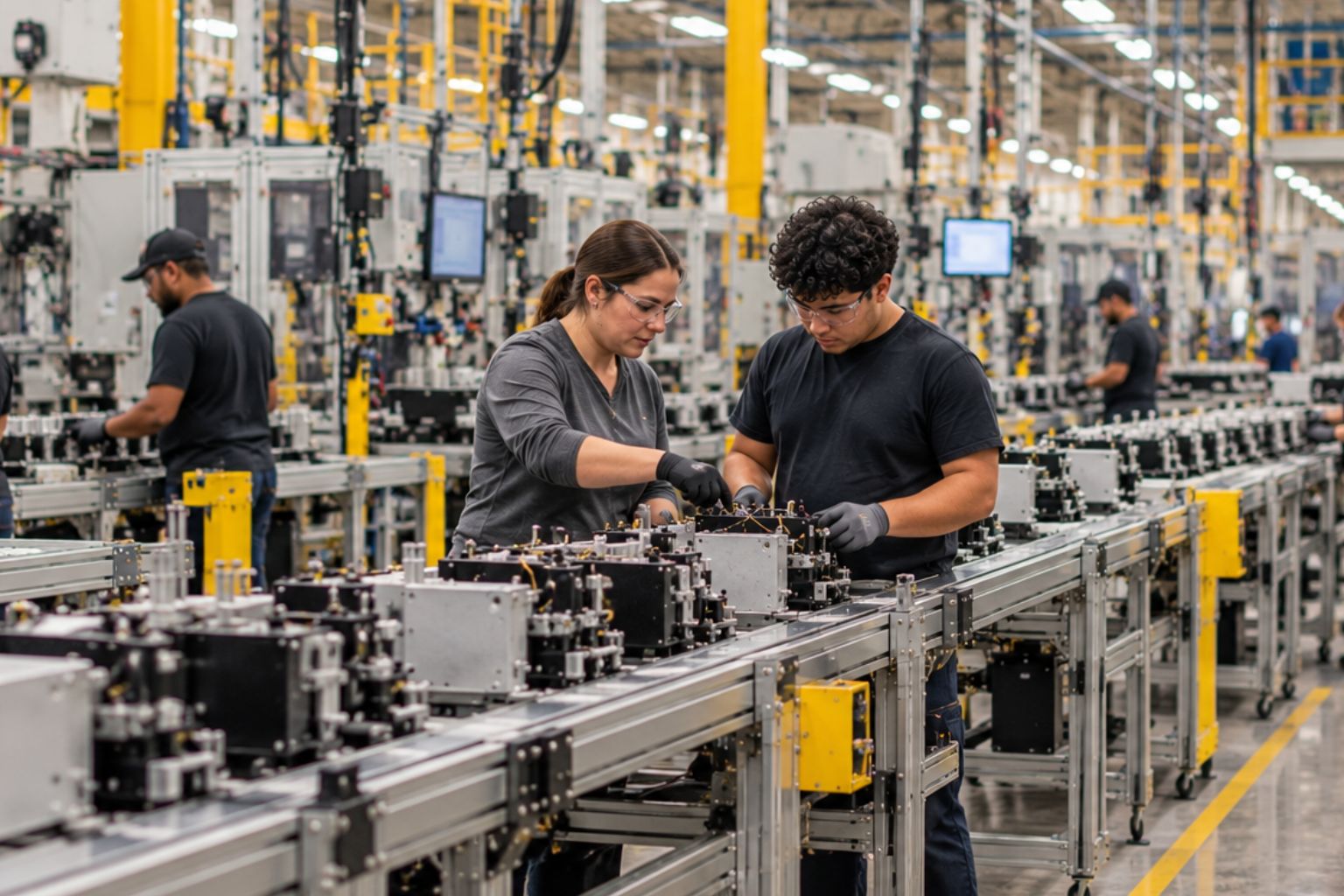
Some employees use production or assembly roles to gain experience with equipment, quality processes, and daily manufacturing operations. Over time, that experience may help them pursue opportunities in machine operation, quality control, team leadership, or specialized technical work.
Entry-level manufacturing experience can teach employees more than the tasks listed in their job description. Someone working in production may begin to understand how materials move through a facility, where quality checks happen, and how different roles contribute to the finished product. That broader understanding can be useful when exploring opportunities to take on additional responsibilities.
Advancement opportunities vary by employer, and some positions require additional training or certifications.
If you’re interested in building a manufacturing career, ask about training and advancement opportunities during the interview process. It may also be worth finding out whether employees have opportunities to learn different parts of the operation or develop new technical skills.
Understanding what paths exist within a facility can help you decide whether a particular position aligns with your longer-term goals.
How The Candidate Source Helps
Not having manufacturing experience doesn’t necessarily mean you’re starting from scratch.
At The Candidate Source, we believe it’s worth looking beyond previous job titles to understand how someone’s experience may apply to a new opportunity.
A candidate who has worked in retail, food service, or another hands-on environment may already have experience with responsibilities that are relevant to manufacturing.
The important part is understanding what a specific position requires and whether your background, skills, and availability are a good match.
Two manufacturing positions with the same title can have very different expectations. The schedule, physical demands, production pace, and training requirements may vary from one facility to another.
Understanding those differences can help you identify opportunities worth exploring rather than ruling yourself out simply because you haven’t worked in manufacturing before.
If you’re considering manufacturing work in Richmond or Central Virginia, The Candidate Source is a practical place to start your job search.
Ready To Explore Manufacturing Jobs in Richmond?
You do not necessarily need a college degree to begin exploring manufacturing opportunities.
What matters is finding a position that fits your skills, experience, and availability.
Whether you are entering the workforce, changing industries, or looking for a new direction, entry-level manufacturing jobs may offer opportunities worth considering.
Browse current manufacturing and warehouse opportunities through The Candidate Source and see which positions may fit your experience and availability.