

Fall Hiring Season Prep: How Virginia Warehouse and Manufacturing Employers Should Plan Now
For many warehouse and manufacturing operations, fall brings added hiring pressure.
For operations with seasonal demand, order volumes may increase, production schedules can tighten, and attendance gaps that were manageable in the summer can become much harder to absorb. For Virginia warehouse and manufacturing employers, that pressure often arrives faster than expected.
When Q4 hiring pressure builds, employers that have already thought through their workforce needs are in a better position to respond.
If your operation depends on a fully staffed floor between October and December, the time to get ahead of it is now.
Direct Answer
Fall hiring preparation for Virginia warehouse and manufacturing employers means assessing workforce needs before seasonal demand increases, communicating those needs with your staffing partner early, and building a candidate pipeline before positions become urgent.
Waiting until staffing needs are immediate can mean recruiting at the same time other employers are preparing for their own seasonal hiring needs.
Why Timing Matters More Than Most Employers Expect
The fall labor market for warehouse and manufacturing roles does not wait for employers to feel ready.
By the time Q4 pressure is visible on the floor, employers may already be competing with other facilities recruiting for similar roles. Sourcing, screening, hiring, and onboarding all take time, which can make it harder to respond when the need is already urgent.
We have seen how much harder Q4 staffing becomes when a predictable increase in demand is not addressed until positions are already difficult to cover.
Starting the conversation early gives your staffing partner more time to understand your needs, build a candidate pipeline, and prepare for upcoming openings.
What to Assess Before the Season Starts
Before reaching out to a staffing agency or posting new roles, it helps to have a clear picture of what your operation actually needs.
Consider questions like:
- How many workers do you need to add, and across which shifts?
- Which roles are most vulnerable to turnover or attendance challenges during peak periods?
- Are there positions that require specific certifications or training that take time to complete?
- What does your onboarding capacity look like if you bring on multiple new hires at once?
- Are there roles where a temp-to-hire approach makes more sense than a short-term contract placement?
Having even rough answers to these questions gives your staffing partner a clearer target for recruiting. It is much easier to build a targeted candidate pipeline around a specific need than a general request for additional workers.
Competition for Candidates Can Increase in the Fall
Seasonal hiring can put multiple warehouse, distribution, and manufacturing employers in the market for similar workers at the same time.
That does not mean qualified candidates disappear. It does mean employers may be recruiting for similar shifts, skills, and experience while also preparing their operations for increased Q4 demand.
Starting the hiring conversation earlier gives your staffing partner more time to understand what you need, begin sourcing, and adjust the recruiting strategy if positions take longer to fill than expected.
It also gives your operation more flexibility. If a candidate declines an offer, hiring needs change, or a particular shift proves harder to staff, there is more time to respond before those challenges overlap with peak production.
What we see consistently is that the operations with the most flexibility heading into fall are the ones that had a specific conversation with their staffing partner before a single position was open. That conversation does not have to be complicated. It just has to happen early enough to be useful.
Do Not Overlook the Onboarding Timeline
Even after the right candidate is hired, getting comfortable and fully productive in a new warehouse or manufacturing role takes time.
New hires need time to learn the environment, understand expectations, build relationships with supervisors, and become comfortable with the pace of the work.
When onboarding overlaps with peak production, supervisors are managing training at the same time the operation needs them focused on output. That can put additional pressure on both the new hire and the team responsible for getting them up to speed.
Planning fall hiring earlier creates more room for onboarding before production demands are at their highest.
Getting new hires settled before the surge gives everyone more room to focus when volume increases. Across the warehouse and manufacturing employers we work with in Virginia, the facilities that navigate Q4 most smoothly are rarely the ones that hired the most aggressively.
They are the ones that gave new hires enough time to settle into the role before the pressure peaked.
That window is much harder to create in October than it is in August.
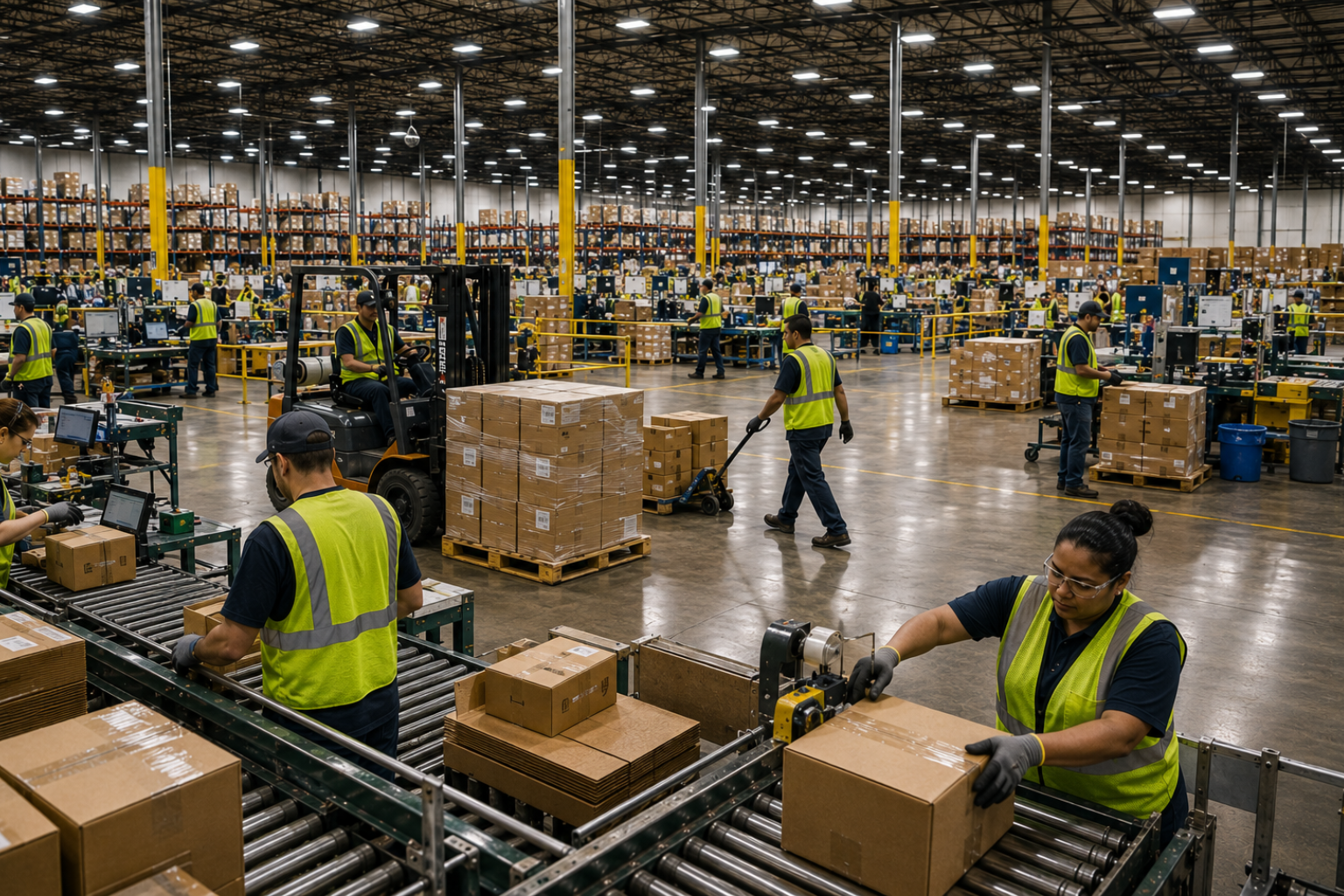
What a Strong Fall Staffing Plan Actually Looks Like
Fall hiring preparation does not have to be complicated. For most Virginia warehouse and manufacturing operations, it comes down to a few practical steps taken earlier than feels necessary.
Audit your current workforce now. Look at which positions are fully covered, which are at risk, and where turnover has been a recurring problem. That assessment tells you where to focus before the season starts rather than after.
Talk to your staffing partner before you have open roles. The most useful conversations happen before a position is vacant, not after. A staffing partner who understands your expected volume can start building a pipeline before the need becomes urgent.
Be honest about your onboarding capacity. Bringing on more workers than your supervisors can effectively train at once can put additional pressure on both new hires and the people responsible for getting them up to speed. A phased approach may give supervisors more time to support each group as they transition into the role.
Set expectations with candidates early. Clear expectations help candidates make a more informed decision about whether the pace, schedule, and physical demands are right for them. That clarity starts with how the role is communicated during recruiting.
Do not lower your screening standards under pressure. Pressure to fill positions quickly can make it tempting to loosen screening standards. That may solve an immediate opening without answering whether the candidate is actually a good fit for the role. Keeping expectations clear during a surge helps recruiting stay focused on what the position actually requires.
How The Candidate Source Helps
The Candidate Source works with warehouse and manufacturing employers across Virginia to prepare for seasonal volume before it becomes an operational problem.
We work best when we understand what is coming before it arrives. That means knowing your production schedule, your shift needs, and the qualities that tend to make someone a long-term fit in your environment.
That information helps us focus on sourcing the right candidates rather than simply the available candidates.
If your operation has a Q4 surge coming and you have not started planning yet, now is a good time to have that conversation.
Ready To Get Ahead of Fall Hiring?
Getting ahead of Q4 staffing does not necessarily require the biggest budget or the most aggressive hiring timeline.
Starting early, communicating clearly with your staffing partner, and building a plan before the pressure arrives gives your operation more room to respond as needs change.
Contact The Candidate Source to talk through your fall workforce needs and find out how we can help you prepare for the season.