
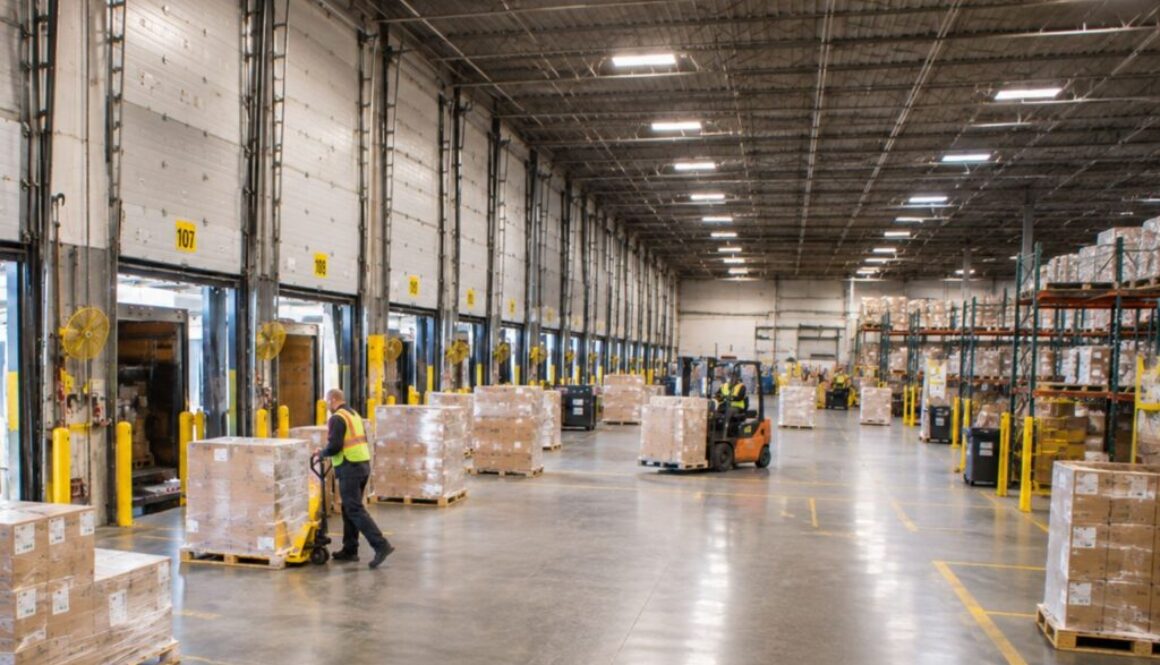
Seasonal & Peak-Season Warehouse Staffing: How to Scale Fast
Demand does not wait for the hiring plan.
A warehouse can be running smoothly one month and struggling to keep up just a few weeks later. Order volume climbs, trailers stack up, and the team that handled last month’s workload is now covering more than it was built for.
That is the point where hiring can become urgent. And adding people after demand has already increased is harder than adding them before it does.
This guide explains how seasonal and peak-season warehouse staffing works, what to settle before you start adding people, and how to scale quickly without losing sight of the work those new team members will actually be doing.
Direct Answer
Seasonal warehouse staffing helps employers add workers during periods of higher demand, such as holiday peaks, product launches, or increases in orders. Scaling quickly starts with defining the roles, shifts, headcount, and start dates, then choosing the right staffing arrangement and preparing for onboarding. How quickly positions can be filled depends on the job requirements, number of workers needed, and available candidates, so planning ahead generally provides more flexibility.
What Is Seasonal and Peak-Season Warehouse Staffing?
Seasonal staffing is a way to add capacity for a defined stretch of higher demand without permanently changing the size of the team.
For many warehouse operations, that stretch is the fourth quarter. But peaks are not limited to the holidays. A product launch, a promotion, a large customer order, or a busy period tied to the business can all create the same pressure.
In each case, the timing is tight and the extra work has to be done by people who can get up to speed quickly.
A staffing partner can help by sourcing and screening candidates and explaining the work and expectations before anyone starts. Depending on the staffing arrangement, the agency may also handle payroll and certain employment-related responsibilities during the assignment.
Why Is It Harder to Scale After Demand Rises?
When volume is already climbing, every step of hiring has to happen faster.
The people you have are covering more work, which leaves less time for the supervisors who would normally be interviewing, training, and checking in with new employees. Overtime may increase. Small problems that were easy to manage at normal volume can become harder to catch.
Another factor is the time between identifying a staffing need and having someone ready to work. Finding candidates is only part of that process. Screening, scheduling, and preparing for the first shift all take time, especially when several positions need to be filled at once.
Adding people when demand is already high may still be necessary. But new employees are arriving in an operation that has less time and capacity to train them.
That is why lead time matters. It gives employers more room to recruit, prepare supervisors, and organize training before the workload reaches its busiest point.
What Should You Define Before You Start Adding People?
Speed starts with clarity. A staffing partner can move faster when the request is specific.
Before reaching out, it helps to know:
- How many people you need, and whether that number could change
- Which roles you are filling, such as picking, packing, loading, receiving, or equipment operation
- Which shifts need coverage, and whether weekends or overtime are expected
- When people need to start, and how long the need is expected to last
- What the work physically involves, including lifting, standing, and pace
- Whether any role requires experience or certification, such as forklift operation
- What onboarding, safety training, or pre-employment requirements apply
At The Candidate Source, we encourage employers to be specific about what the work actually involves. A job title alone does not always tell us enough about the pace, physical demands, or experience needed to find someone who fits the role.
A request for “ten warehouse workers” leaves a lot unsaid. A request that describes the shifts, tasks, and expectations gives everyone a better chance of matching the right people to the right work.
It also helps to separate what is required from what is preferred. If a position truly needs forklift experience, that should be clear from the start. If it can be learned on the job, saying so can widen the pool of people who may be a good fit.
How Do You Choose Between Temporary, Temp-to-Hire, and Direct Hire?
Not every peak calls for the same arrangement.
A temporary placement is generally designed to fill a need for a defined period. If the extra work is expected to end when the busy season does, this may be the simplest fit.
A temp-to-hire placement typically begins with the worker employed through a staffing agency, with the possibility of moving onto the employer’s payroll later. It can be useful when you expect to keep some of the added capacity or want to see how people perform in the actual work environment first. The timing and conversion terms depend on the staffing agreement, so they are worth understanding before the assignment begins.
Direct hire brings someone onto your payroll as a permanent employee from day one. It fits ongoing positions rather than short-term surges.
If you are weighing the options, our guide to temp-to-hire vs. direct hire explains how the two models differ.
It is also possible to use more than one approach in the same season. An employer might fill most peak positions with temporary workers while hiring directly for a role that will continue after the rush ends.

Why Does Onboarding Matter as Much as Headcount?
A new employee is not fully productive on the first shift. That is true in any month, and it is especially true when the operation is busy.
During a peak, it can be tempting to treat onboarding as something to squeeze in around the work. But a few things can pay off:
- Share the schedule, start time, and check-in details before the first shift
- Make sure someone is assigned to greet new workers and show them where to go
- Cover safety expectations and equipment rules before the work begins
- Pair newer workers with experienced coworkers where possible
- Decide who a new employee should ask when a question comes up
These steps do not require a large program. They require someone to own them.
In our experience, new workers settle in more easily when they know what to expect before their first shift. Even small details, like where to report and who to ask for, can make that first day less confusing.
Operational readiness is also about the supervisors. If a team lead is going to be responsible for several new people at once, it helps to know that before the first day, not after.
What Should You Ask a Staffing Partner Before Peak Season?
Choosing a partner is easier when you know what to ask. A few questions worth raising:
- How do you learn about our operation before recruiting begins?
- What does your screening process include?
- How will you explain the schedule, physical demands, and expectations to candidates?
- What placement options are available, and how do conversion terms work?
- Which employment-related responsibilities does the staffing agency handle?
- What happens if we need to adjust headcount or shifts?
- How do you stay in communication after someone starts?
Staffing needs do not always stay the same once a busy period begins. An employer may need to add another shift, adjust the number of workers, or extend an assignment. At The Candidate Source, we encourage employers to communicate those changes as early as possible so there is time to discuss what adjustments may be possible.
You should also ask what a realistic timeline looks like for your specific roles. A good answer will depend on the details, and a partner who explains that honestly is more helpful than one who promises the same turnaround for every request.
Cost deserves a straight conversation, too. Understanding what is included in a bill rate and what terms could affect the total makes it easier to compare options.
How The Candidate Source Helps
The Candidate Source works with warehouse and manufacturing employers across Virginia on temporary, temp-to-hire, and direct hire needs.
When an employer comes to us with a seasonal need, we want to understand the operation behind it, including the roles, shifts, and start dates. That context shapes who we recruit and what we tell candidates before they accept an assignment.
We also think the timing conversation should be honest. How quickly positions can be filled depends on the roles and requirements, and we would rather talk through what is achievable than make a promise that depends on details we have not heard yet.
If your operation is adding people, or planning to, the sooner that conversation starts, the more options there are.
Ready to Plan Your Peak-Season Staffing?
Scaling your workforce during a busy season starts with knowing what you need, when you need it, and what the people you bring in will be asked to do.
Visit our Start Sourcing page to tell us about your seasonal hiring needs and talk through which staffing approach could fit your operation.