
Why ‘Boots on the Ground’ Recruiting Outperforms Remote Staffing Models
Warehouse and manufacturing hiring is rarely one-size-fits-all.
Every facility operates differently. Shift expectations vary. Team dynamics vary. Production demands change quickly. What works in one warehouse may not work at another facility across town.
That is one reason many employers still value staffing partners with real operational visibility and hands-on recruiting experience.
While remote recruiting models continue growing across the staffing industry, many warehouse and manufacturing companies still see strong results from recruiters who spend time inside facilities, understand operational realities, and build direct relationships with both clients and candidates.
Direct Answer
Boots on the ground recruiting often outperforms fully remote staffing models in warehouse and manufacturing hiring because recruiters gain firsthand operational knowledge, understand workplace culture, improve candidate matching, and build stronger relationships with both employers and workers.
Warehouse and Manufacturing Hiring Is Highly Operational
Warehouse and manufacturing environments move quickly.
Production goals shift. Attendance issues impact output. Seasonal demand changes staffing needs. Supervisors need people who can reliably work specific schedules, adapt to physical environments, and fit the pace of the operation.
Recruiters who spend time onsite often gain a much clearer understanding of:
- Shift expectations
- Physical job demands
- Production pace
- Safety requirements
- Team dynamics
- Leadership styles
- Attendance expectations
That operational understanding can improve hiring quality significantly.
Candidates Respond Better to Real Operational Knowledge
Candidates often ask practical questions during the hiring process:
- What is the shift actually like?
- How fast-paced is the environment?
- Is overtime consistent?
- What does leadership expect?
- How physical is the work?
Recruiters with direct facility knowledge can usually provide more realistic answers.
That builds credibility with candidates and can improve trust throughout the hiring process.
Hands-On Recruiting Helps Identify Problems Earlier
Boots on the ground recruiting also allows staffing teams to identify operational issues faster.
For example:
- Rising turnover
- Attendance concerns
- Onboarding gaps
- Morale challenges
- Shift communication problems
- Unrealistic production expectations
These issues are often easier to recognize through direct interaction with supervisors, employees, and facility environments.
Earlier visibility can help staffing partners adjust recruiting strategies before problems grow larger.
Relationships Matter in Warehouse and Manufacturing Staffing
Warehouse and manufacturing staffing remains highly relationship-driven.
Strong staffing partnerships are often built through:
- Responsiveness
- Visibility
- Communication
- Consistency
- Operational support
- Trust
Employers typically want staffing partners who understand their business beyond a written job order.
Candidates also tend to respond positively when recruiters feel informed and connected to the actual work environment.
Remote Recruiting Still Has Advantages
Remote staffing models can still offer benefits in certain situations.
For example:
- Broader geographic reach
- Faster administrative coordination
- Centralized recruiting support
- Extended sourcing capacity
- Scheduling flexibility
Many staffing firms now operate with a blend of remote and on-site support.
The key difference is whether recruiters truly understand the operational realities of the positions they are hiring for.
Warehouse and Manufacturing Employers Often Need More Than Resume Matching
In warehouse and manufacturing staffing, success is often tied to:
- Attendance reliability
- Shift compatibility
- Pace tolerance
- Physical capability
- Transportation consistency
- Workplace fit
- Leadership compatibility
These factors are difficult to evaluate through resumes alone.
Hands-on recruiting models often provide more context around both the work environment and the candidate experience.
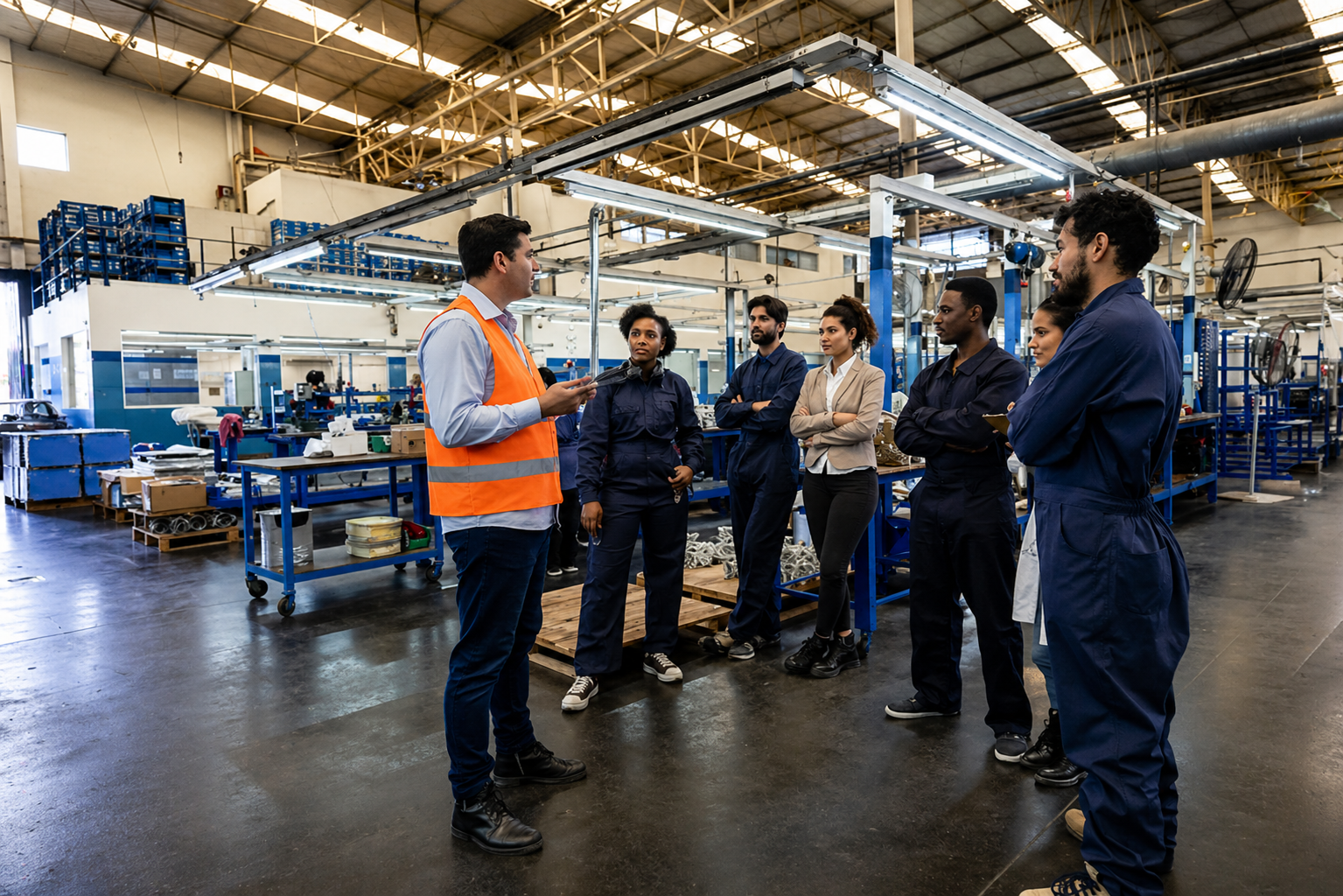
On-Site Recruiting Can Improve Retention
Retention is a major challenge across warehouse and manufacturing staffing.
Better operational understanding often leads to:
- Stronger candidate expectations
- More accurate job previews
- Improved onboarding alignment
- Fewer surprise resignations
- Stronger long-term fit
When candidates understand the environment before starting, they are more likely to remain successful in the role.
Why The Candidate Source Values Operational Understanding
The Candidate Source focuses heavily on warehouse and manufacturing staffing with an emphasis on operational awareness, communication, and long-term hiring success.
We believe understanding the actual work environment helps create stronger hiring outcomes for both employers and candidates.
Warehouse staffing is rarely just about filling openings quickly. Long-term success often comes from understanding the realities of the operation and aligning candidates accordingly.
The Future of Staffing Will Still Require Human Visibility
Technology continues changing the staffing industry, but warehouse and manufacturing recruiting still relies heavily on human understanding and operational visibility.
Recruiters who understand facilities firsthand are often better equipped to:
- Build trust
- Improve candidate fit
- Support retention
- Identify operational challenges
- Communicate realistic expectations
In many warehouse and manufacturing environments, boots on the ground recruiting continues to provide a significant advantage.
Contact The Candidate Source to learn more about warehouse and manufacturing staffing support.