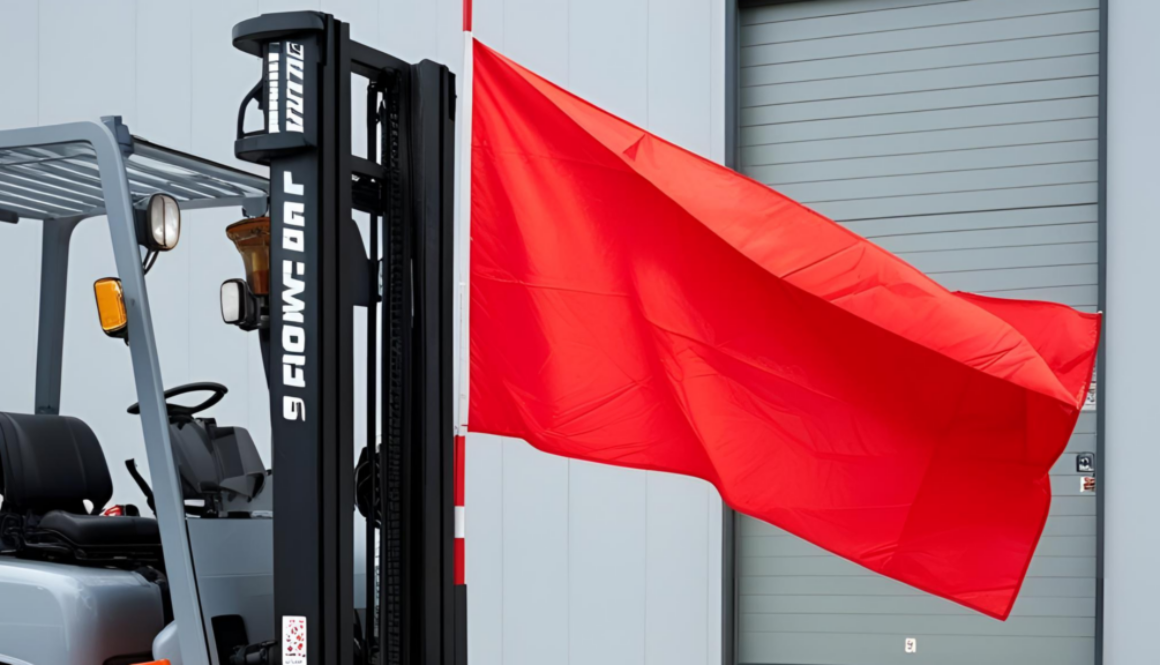

How to Screen Warehouse Workers Effectively
Hiring warehouse workers can feel like a numbers game. When demand spikes, employers often focus on filling roles quickly rather than carefully evaluating candidates. The result is predictable: higher turnover, lower productivity, and constant retraining.
A strong warehouse worker screening process helps prevent these issues before they start. By identifying reliable, safety conscious, and adaptable candidates early, employers can build teams that perform consistently and stay longer.
Below are the key steps warehouse managers and HR teams should follow to screen candidates effectively.
1. Start with Clear Job Expectations
Before screening candidates, employers must clearly define what success looks like in the role.
Warehouse work varies widely depending on the operation. Some positions require heavy lifting and constant movement, while others involve equipment operation, scanning systems, or inventory tracking.
Clearly communicating expectations helps candidates self select. Those who understand the demands of the job are far more likely to succeed and remain in the role.
2. Evaluate Reliability First
Reliability is one of the most important traits in warehouse environments. Even a highly skilled employee can disrupt operations if they are frequently late or absent.
During the screening process, employers should look for patterns of consistent attendance and stable work history. Asking candidates about past schedules, shift work, and attendance expectations can reveal a great deal about their reliability.
A dependable worker often contributes more to operational efficiency than a highly experienced but inconsistent employee.
3. Assess Safety Awareness
Warehouses can be fast paced environments with heavy equipment, moving inventory, and tight schedules. Safety awareness should always be a priority during candidate screening.
Employers should ask questions that reveal how candidates think about workplace safety. For example:
- How would you handle a damaged pallet on the floor?
- What would you do if you noticed a coworker operating equipment unsafely?
Candidates who naturally prioritize safety are far more likely to protect both your team and your operation.
4. Test Basic Operational Skills
Not every warehouse position requires advanced experience, but basic operational skills still matter.
Simple screening methods can quickly identify candidates who are prepared for the role. These may include:
- Demonstrating familiarity with scanners or inventory systems
- Discussing previous warehouse workflows
- Explaining how they organize tasks during busy shifts
Understanding how candidates approach their work can provide valuable insight into how they will perform on your floor.

5. Look for Adaptability
Modern warehouses are constantly evolving. New technology, automation systems, and process improvements are introduced regularly.
Employees who are open to learning new systems tend to succeed in these environments. During screening, employers should look for candidates who demonstrate curiosity, flexibility, and a willingness to learn.
Adaptable workers often become the most valuable members of a warehouse team.
6. Verify Fit with Your Operation
Every warehouse has a unique pace, culture, and workflow. Screening should not focus only on skills. Cultural and operational fit matters just as much.
Candidates who thrive in fast paced environments may struggle in slower operations, while workers accustomed to structured processes may find chaotic environments difficult.
Matching candidates to the right environment increases retention and improves overall team performance.
How The Candidate Source Helps Improve the Screening Process
A structured warehouse worker screening process takes time and experience to develop. Many employers simply do not have the resources to evaluate large numbers of applicants while managing daily operations.
The Candidate Source specializes in screening warehouse talent for reliability, safety awareness, and operational fit. By understanding each client’s environment and expectations, we help employers identify candidates who are far more likely to succeed and stay.
The result is a stronger workforce, lower turnover, and smoother warehouse operations.
Build a Stronger Warehouse Team
Hiring quickly may solve today’s staffing problem, but hiring correctly solves tomorrow’s operational challenges.
If you are looking to strengthen your warehouse workforce, The Candidate Source can help you implement a more effective warehouse worker screening process.
Contact The Candidate Source today to discuss how we can support your hiring needs.